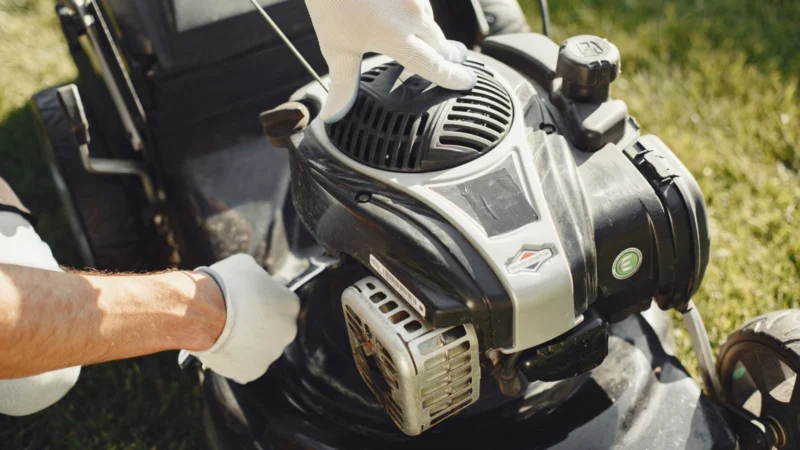
Every gasoline engine needs the same four things to run: fuel in the right amount, a spark at the right time, air, and enough compression to squeeze the mixture. When a small engine will not start, one of them is missing, and the order below finds the missing one faster than guessing. Have a spark plug socket, a screwdriver and a can of fresh fuel ready.
Quick answer
Check fresh fuel and the fuel valve, set the choke, and make sure the kill switch, bail lever or seat switch is not stopping the engine. Pull the plug: wet means no spark or flooding; dry means no fuel. Test for spark. If fuel, spark and air are all present and the engine still will not fire, the carburetor is gummed with old fuel or, on a mower that hit something, the flywheel key has sheared.
In this guide
Step 1: The two-minute checks
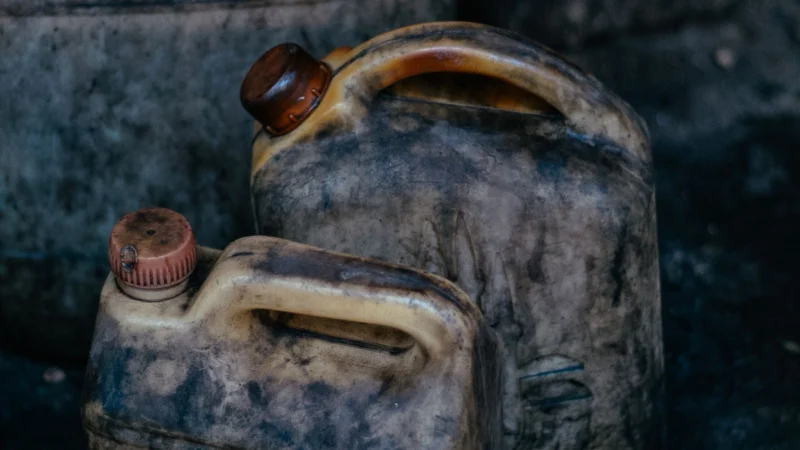
- Fuel. Is there fuel, and is it fresh? Gasoline more than a couple of months old is suspect. If it smells like varnish, drain it.
- Fuel valve and primer. Open the valve. On engines with a primer bulb, press it the number of times the manual says, usually three.
- Choke. Full choke for a cold engine; off for a warm one.
- Switches. Engine switch on. Mower bail lever held. Seat switch sat on. Pressure washer trigger released to relieve pump pressure. Transmission in neutral on riding mowers.
- Oil. Many engines have a low-oil shutdown that prevents starting. Check the dipstick on level ground.
- Air filter. Pull it off and look. A filter soaked in oil or packed with dust can stop an engine starting.
Step 2: Read the spark plug
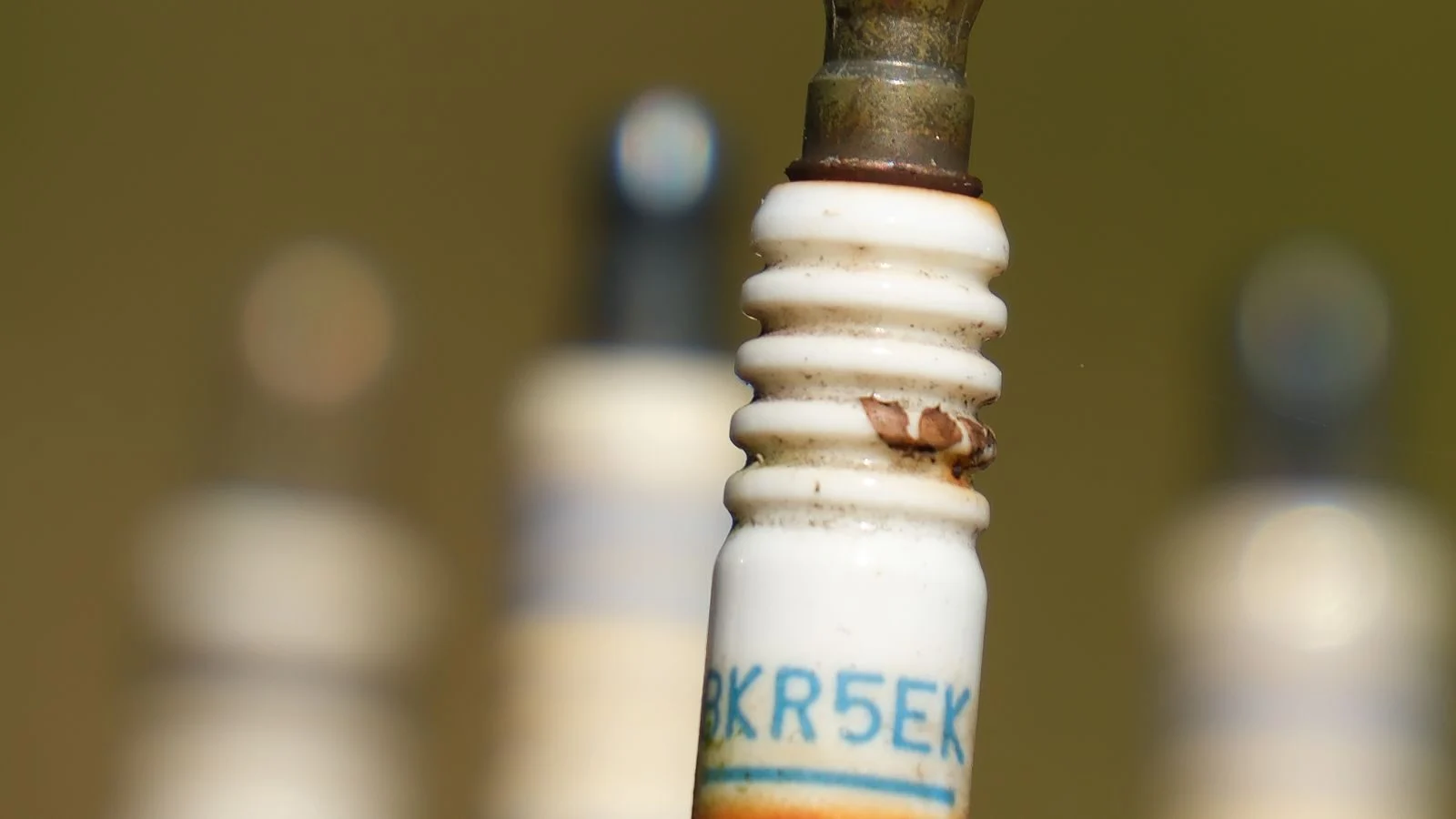
Remove the plug. Its condition narrows the search:
- Wet with fuel: fuel is arriving. Either there is no spark or the engine is flooded.
- Dry: fuel is not reaching the cylinder. Look at the fuel system and carburetor.
- Black and sooty: running rich: choke, dirty filter, or a carburetor float problem.
- Oily: overfilled crankcase or oil getting past the rings.
Step 3: Test for spark
- Push the plug back into its lead.
- Hold the plug’s metal body firmly against a bare metal part of the engine, using insulated pliers, with the electrode visible.
- Pull the cord. A healthy engine shows a bright blue spark. A weak orange spark or none at all points to the plug, the lead, the ignition coil or a safety switch grounding the ignition.
Fit a new plug first; it is the cheapest part. If there is still no spark, disconnect the kill-switch wire from the coil and test again. Spark now means a switch or wiring fault. No spark still means the coil, or on older engines the points, has failed. Check the coil-to-flywheel air gap as well.
Step 4: Clear a flooded engine
If the plug was wet and you have spark, the engine is probably flooded from too much choke or priming. Set the choke off, hold the throttle wide open if you can, and pull the cord several times to clear the cylinder. Fit a dry plug. Wait ten minutes and try again without choke.
Step 5: Fuel delivery and the carburetor
A dry plug with fuel in the tank means the fuel is stuck somewhere between the two.
- Check that fuel flows from the tank: pull the line at the carburetor into a container.
- Check the inline fuel filter and the fuel cap vent. A blocked vent starves the engine after a few minutes.
- Open the carburetor bowl drain. No fuel means a stuck inlet needle or blocked passage. Fuel with water droplets means the tank needs draining.
- If fuel reaches the bowl but the engine only coughs or runs on choke, the main jet is gummed with varnish from stale fuel. Remove the bowl and jet, soak and clean them with carburetor cleaner, and clear the passages with a fine wire. Replace the bowl gasket.
On many small engines a complete replacement carburetor costs little and takes twenty minutes to fit, which is often quicker than a thorough cleaning. Fresh fuel afterwards is the part people skip.
Step 6: Compression and the flywheel key
If the pull cord moves with almost no resistance, compression is low. On a mower that stopped suddenly after hitting a root, rock or stump, the likely cause is a sheared flywheel key: the soft metal key that keeps the flywheel aligned with the crankshaft has broken, which throws the ignition timing off. The engine may have compression but no start, or kick back when pulled. Replacing the key is a cheap repair, but it needs the flywheel pulled, and the blade and crankshaft should be checked for damage.
Low compression with no impact history suggests a stuck valve, a head gasket or worn rings. A compression gauge confirms it, and on an inexpensive engine the repair may cost more than replacement.
Pull cord problems
- Cord will not pull: blade jammed with debris, a hydro-locked cylinder from oil or fuel, or a seized engine. Remove the plug and try again.
- Cord pulls too easily: broken recoil or low compression.
- Cord kicks back hard: sheared flywheel key or ignition timing issue.
Preventing the next no-start
Nearly every item above traces back to fuel left in the engine. Run the carburetor dry or stabilize the fuel before storage, change the oil, and replace the plug and filter yearly. Our small engine maintenance schedule lays out the routine, and how long gasoline lasts explains why stale fuel does so much damage.
See carburetor cleaner on Amazon
Frequently asked questions
Why does my lawn mower only run with the choke on?
The carburetor is delivering too little fuel, usually because the main jet is partly blocked with varnish from old gasoline. Choke richens the mixture enough to run. Cleaning or replacing the carburetor fixes it.
Why won't my mower start after hitting something?
The impact probably sheared the flywheel key, which puts the ignition timing out. The engine cranks but will not start, or kicks back. The key is cheap to replace; check the blade and crankshaft for damage at the same time.
How do I know if my spark plug is bad?
Remove it and look. Rounded electrodes, heavy deposits, a cracked insulator or a weak orange spark in a spark test all mean replacement. A new plug is cheap enough that it is worth fitting as a first step on any engine that will not start.