Gas vs Electric Pressure Washer: Which Is Right for You?
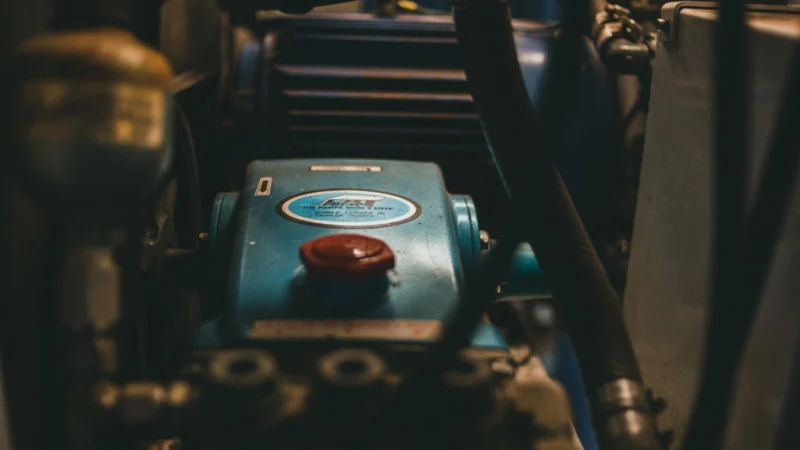
Electric pressure washers are quiet, light and nearly maintenance-free. Gas models clean faster and go anywhere. How they compare and which one suits your jobs.
Read GuideSide-by-side comparisons of equipment types, fuels and technologies. Product reviews are added only when we can assess a product properly, and each one states what the assessment is based on.
Most equipment decisions come down to a choice between two approaches, and these comparisons set them side by side: inverter or conventional generator, portable or standby, gasoline or diesel, single-stage or two-stage compressor, gas or electric pressure washer, trash or transfer pump. Each comparison explains how the two differ, where each one wins and which to choose for a given job.
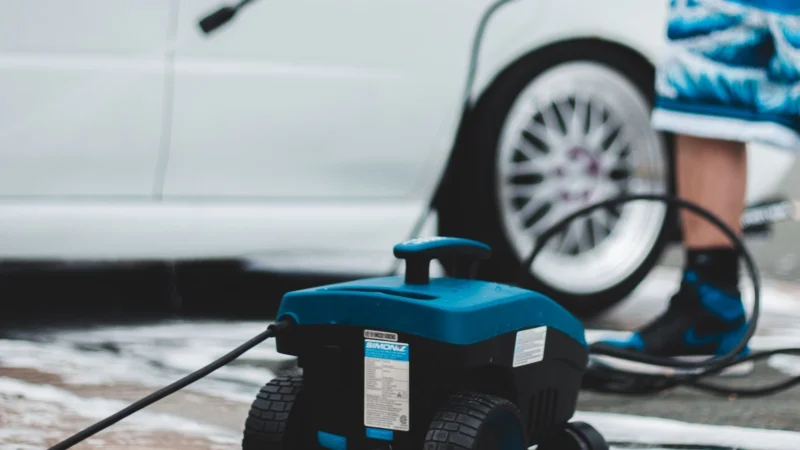
Electric pressure washers are quiet, light and nearly maintenance-free. Gas models clean faster and go anywhere. How they compare and which one suits your jobs.
Read GuideInverter generators are quieter, lighter and cleaner. Conventional generators give more watts for the money. Here is how they differ and which fits each…
Standby generators start themselves and run the whole house; portables cost a fraction as much but need you to set them up. A clear…
Diesel generators run longer on less fuel and are built for heavy duty; gasoline generators are cheaper, lighter and easier to find. Which suits…
Spark versus compression, torque versus revs, fuel economy versus price. How gasoline and diesel engines differ in practice and which one belongs in which…
Transfer pumps move clean water fast and under pressure; trash pumps swallow leaves, gravel and mud. How the two designs differ and how to…
Two-stage compressors reach higher pressure, run cooler and work all day; single-stage compressors cost less and suit intermittent use. How to tell which your…