The right portable generator depends on one thing: what you need it to run. A camper needs something light and quiet. An RV owner needs enough power for the air conditioner. A homeowner needs high wattage, a 240-volt outlet and a safe way to connect it to the house.
That is why one “best generator” does not exist. So this guide reviews eight popular models across three sizes, from a 40-pound inverter to a 10,500-watt home backup machine.
One honest note before we start. These are spec-based reviews. We have not tested these generators ourselves. We compared the figures published by each manufacturer and on current Amazon listings, and we tell you plainly where a model falls short.
Portable generator reviews at a glance
8 generators, 6 brands, 3 size classes
Specs come from manufacturer pages and current Amazon listings, checked in October 2026. No prices or star ratings, because both change constantly.
Quick answer
For camping, the Honda EU2200i is the quiet premium choice and the Champion 2500-Watt Ultralight is the lighter, simpler alternative. For an RV, the Champion 4500-Watt Dual Fuel inverter fits best. For home essentials, the fuel-injected Generac GP5500E is easy to live with. For bigger homes, the Westinghouse WGen9500DFc and DuroMax XP13000HX both add a 50-amp outlet and run on gasoline or propane.
How we put these reviews together
We did not run, time or measure these generators. Every figure comes from the manufacturer’s own pages or from the generator’s current Amazon listing, checked in October 2026. When a detail is not stated, we say “not listed” instead of guessing. Use these reviews to build a shortlist, then read recent owner reviews for the exact model you choose.
In this guide
- How We Chose These Portable Generators
- Portable Generator Comparison Table
- Inverter or Open Frame: Which Type Do You Need?
- Reviews: Small and Quiet Generators
- Reviews: Mid-Size Generators
- Reviews: Large Home Backup Generators
- What Size Portable Generator Do You Need?
- The Features That Matter Most
- Use It Safely
- Keep It Running: Fuel and Maintenance
- Common Mistakes When Choosing a Portable Generator (and the Fix)
- Pro Tips Before You Buy
- Real-Life Scenarios: Which Generator Fits?
- Portable Generator Reviews: FAQ
- Your Portable Generator Buying Checklist
How We Chose These Portable Generators
We looked for well-known models from established brands that are currently for sale. Then we compared them on the points that matter in real use.
- Running watts. This is the power a generator can deliver all day. Starting watts only last a moment.
- Fuel options. Gasoline, dual fuel or tri fuel.
- Noise and weight. These decide whether a generator is pleasant to own.
- Carbon monoxide shutoff. A sensor that stops the engine if CO builds up.
- Outlets. A 30-amp or 50-amp outlet matters for RVs and transfer switches.
- Starting. Pull cord, electric start or remote start.
- Warranty. Length and what the listing actually states.
We left out anything we could not verify. If a spec is missing from the listing, it is missing from our table too.
Portable Generator Comparison Table
Here are all eight models, sorted from smallest to largest.
| Model | Type | Running watts | Starting watts | Fuels | CO shutoff |
|---|---|---|---|---|---|
| Honda EU2200i | Inverter | 1,800 | 2,200 | Gasoline | Yes |
| Champion 2500-Watt Ultralight | Inverter | 1,850 | 2,500 | Gasoline | Yes |
| Champion 4500-Watt Dual Fuel | Inverter | 3,500 | 4,500 | Gasoline or propane | Yes |
| Generac GP5500E EFI | Open frame | 5,500 | 6,875 | Gasoline | Yes |
| Pulsar G12KBN | Open frame | 9,500 | 12,000 | Gasoline or propane | Not listed |
| Westinghouse WGen9500DFc | Open frame | 9,500 | 12,500 | Gasoline or propane | Yes |
| Champion 12,500-Watt Tri Fuel | Open frame | 10,000 | 12,500 | Gasoline, propane or natural gas | Yes |
| DuroMax XP13000HX | Open frame | 10,500 | 13,000 | Gasoline or propane | Yes |
Notice how the running figure is always lower than the starting figure. Always shop by running watts.
Inverter or Open Frame: Which Type Do You Need?
Every generator in this guide is one of two types. The difference shapes everything else.
| Feature | Inverter generator | Open-frame generator |
|---|---|---|
| Noise | Quieter | Louder |
| Weight for the power | Lighter in small sizes | Heavy, usually on wheels |
| Power quality | Cleaner, better for electronics | Fine for most appliances and tools |
| Wattage for the money | Lower | Higher |
| 240-volt outlet | Rare on small models | Common on larger models |
| Best use | Camping, RVs, tailgating | Home backup and job sites |
In short, choose an inverter when quiet and clean power matter most. Choose an open-frame generator when you need a lot of watts for a house. Our guide to inverter vs conventional generators explains the technology.
Reviews: Small and Quiet Generators
These two are for camping, tailgating and keeping a few essentials alive in an outage.
Honda EU2200i review
The EU2200i is the generator other small inverters are measured against. Honda rates it at 48 to 57 dB(A) and describes that as less noise than a normal conversation. It makes 1,800 running watts from a 121 cc Honda engine.
Its strengths are refinement and features. It has Honda’s CO-MINDER carbon monoxide shutoff and works with the My Generator app over Bluetooth. Two units can be linked for up to 4,400 watts.
Its weakness is value in raw watts. You pay a premium for the Honda name, and the tank holds less than a gallon.
Quiet premium pick
Honda EU2200i 2,200 Watt Inverter Generator (EU2200ITAN)
A light, very quiet inverter for camping, tailgating and light backup duty, with a carbon monoxide shutoff and app control.
- Starting watts2,200 W
- Running watts1,800 W
- Sound level48 to 57 dB(A)
- Run time3.2 to 8.1 hours
- Dry weight47.4 lb
- Warranty on listing3-year residential
- Why it works: it is quiet enough for a campground and light enough to carry with one hand.
- Who it is best for: campers, tailgaters and anyone who values low noise over maximum watts.
- What it solves: complaints from neighbors, and worries about powering laptops and phones.
- Keep in mind: 1,800 running watts is usually not enough for an RV air conditioner. The listing says this version is not available in California.
As an Amazon Associate we earn from qualifying purchases. Specs come from Honda’s spec page and the Amazon listing, checked October 2026.
Champion 2500-Watt Ultralight review
The Champion is the lightest generator in this guide at 39.7 pounds. Its listing states 53 dBA from 23 feet, 1,850 running watts and up to 11.5 hours of run time.
It covers the basics well. You get clean power with less than 3% THD, Champion’s CO Shield shutoff, and a 3-year limited warranty with free lifetime technical support.
What you give up is polish. There is no app, and the listing shows a single household duplex outlet.
Lightest pick
Champion 2500-Watt Ultralight Portable Inverter Generator
A simple, light inverter that is easy to carry and easy to store. A sensible choice if you want quiet power without the premium price.
- Starting watts2,500 W
- Running watts1,850 W
- Noise level53 dBA from 23 ft
- Run timeUp to 11.5 hours
- Weight39.7 lb
- Warranty3-year limited
- Why it works: under 40 pounds, it is the easiest generator here to lift and move.
- Who it is best for: campers and tailgaters on a budget, and homeowners who want a small backup unit.
- What it solves: long evenings. Up to 11.5 hours of run time means fewer refills.
- Keep in mind: it runs on gasoline only, starts with a pull cord and will not run large appliances.
As an Amazon Associate we earn from qualifying purchases. Specs come from the Amazon listing, checked October 2026.
Reviews: Mid-Size Generators
This is the sweet spot for RV owners and for homeowners who only need the essentials.
Champion 4500-Watt Dual Fuel Inverter review
This Champion is an RV favorite on paper. It makes 3,500 running watts on gasoline and 3,150 on propane, at a listed 61 dBA. Run time is up to 14 hours on gasoline and up to 21 hours on propane.
Dual fuel is the real advantage. Propane does not go stale, so the generator is ready even after months in storage. Electric start and a digital display add comfort.
The cost is weight. At 99.2 pounds it needs two people or a ramp.
Best fit for RVs
Champion 4500-Watt Electric Start Dual Fuel Portable Inverter Generator
A quiet, electric-start inverter that runs on gasoline or propane. It suits RV use and backup power for a refrigerator and other essentials.
- Starting watts4,500 W
- Running watts3,500 W gasoline, 3,150 W propane
- Noise level61 dBA
- Run time on gasolineUp to 14 hours
- Run time on propaneUp to 21 hours
- Weight99.2 lb
- Why it works: it blends inverter quietness with enough power for an RV, and it shares the propane you already carry.
- Who it is best for: RV owners and homeowners who want quiet power for essentials.
- What it solves: stale fuel. Run it on propane and skip the gasoline problem entirely.
- Keep in mind: it is heavy for an inverter. RV Ready inverters of this size are built for 120-volt loads, so check the listing if you need 240 volts.
As an Amazon Associate we earn from qualifying purchases. Specs come from the Amazon listing, checked October 2026.
Generac GP5500E EFI review
The GP5500E is a traditional open-frame generator with one modern twist: electronic fuel injection. Generac says EFI optimizes fuel efficiency and reduces maintenance. There is no carburetor to gum up after storage.
It makes 5,500 running watts and 6,875 starting watts. The listing gives up to 11 hours of run time at half load. It has electric start with the battery included, and Generac’s COsense carbon monoxide protection.
It is not light at 163 pounds, and it is gasoline only. But for a refrigerator, a furnace fan, a sump pump and lights, it is a tidy package.
Easiest to live with
Generac GP5500E Portable Generator with EFI (6,875 Starting Watts)
A fuel-injected, electric-start generator for home essentials. It is built for people who want to turn a key and get on with their day.
- Starting watts6,875 W
- Running watts5,500 W
- Fuel systemElectronic fuel injection
- Run time at half loadUp to 11 hours
- StartElectric, battery included
- Weight163 lb
- Why it works: fuel injection removes the carburetor, which is the part that most often causes trouble after storage.
- Who it is best for: homeowners who want dependable backup for the essentials with little fuss.
- What it solves: hard starting. It also has an hour meter and low-oil shutdown to protect the engine.
- Safety: COsense technology detects carbon monoxide and alerts you.
- Keep in mind: it runs on gasoline only, weighs 163 pounds and is louder than an inverter.
As an Amazon Associate we earn from qualifying purchases. Specs come from the Amazon listing, checked October 2026.
Reviews: Large Home Backup Generators
These are the machines for a house. All of them have electric start and the option to burn propane, and most list a 50-amp outlet.
Westinghouse WGen9500DFc review
The WGen9500DFc is a well-known home backup generator. It makes 9,500 running watts on gasoline and 8,500 on propane. The listing gives up to 12 hours of run time from its 6.6-gallon tank.
Its standout feature is remote start. A key fob is included, so you can start it from indoors. The outlet panel has two GFCI household outlets, an L14-30R transfer switch outlet and a 14-50R 50-amp outlet, all with rubber covers.
The warranty wording is also strong. The listing states 3-year limited service, labor and parts coverage.
One thing to check. Westinghouse has sold this generator with and without a carbon monoxide sensor. The WGen9500DFc is the version with one, and its listing states automatic low-oil and carbon monoxide shutdown. Make sure the model number on your order ends in a small “c”.
Best remote start
Westinghouse WGen9500DFc Dual Fuel Home Backup Portable Generator with CO Sensor (12,500 Peak Watts)
A large dual fuel generator with remote start and a transfer-switch-ready outlet panel. It is a popular choice for powering home essentials.
- Running watts9,500 gasoline, 8,500 propane
- Peak watts12,500 gasoline, 11,200 propane
- Engine457 cc OHV
- Fuel tank6.6 gallons
- Run timeUp to 12 hours
- Warranty on listing3-year limited
- Why it works: it pairs high wattage with remote start and both a 30-amp and a 50-amp outlet.
- Who it is best for: homeowners who want to run most essentials through a transfer switch.
- What it solves: going out in the rain to start the generator. It also arrives with oil, a funnel, a tool kit and a battery charger.
- Engine protection: a cast iron sleeve, automatic low-oil and carbon monoxide shutdown, and a digital hour meter.
- Keep in mind: it weighs about 212 pounds and it is an open-frame generator, so it is not quiet. Plan where it will live and how you will move it.
As an Amazon Associate we earn from qualifying purchases. Specs come from the Amazon listing, checked October 2026.
DuroMax XP13000HX review
The XP13000HX is the most powerful generator in this guide. It makes 10,500 running watts and 13,000 starting watts on gasoline from a 500 cc engine. Retailer spec sheets list 9,975 running watts on propane.
DuroMax highlights two things. The first is CO Alert, its carbon monoxide protection. The second is all-copper windings, which it says are designed to make the generator last for years.
The panel is generous. You get four 120-volt GFCI outlets, a 120-volt 30-amp outlet, a 120/240-volt 30-amp twist-lock outlet and a 120/240-volt 50-amp outlet. The fuel selector is on the front, and DuroMax says you can change fuel type in seconds.
Most power
DuroMax XP13000HX 13,000-Watt Dual Fuel Portable Generator
A very large dual fuel generator with CO Alert, push-button start and a 50-amp outlet. It is aimed at whole-home backup through a transfer switch.
- Starting watts13,000 W
- Running watts10,500 W
- Engine500 cc OHV
- FuelsGasoline or propane
- 50-amp outletYes, 120/240 V
- Weight245 lb
- Why it works: it has the highest running wattage here, so it can carry more of a home’s loads at once.
- Who it is best for: larger homes, and owners with central air conditioning or a well pump to support.
- What it solves: juggling appliances. More running watts means less switching things on and off.
- In the box: a wheel and handle kit, a propane regulator, an oil funnel and tools.
- Keep in mind: it weighs 245 pounds and burns a lot of fuel at high load. Retailer listings describe a 5-year warranty, but confirm the terms with DuroMax before you buy.
As an Amazon Associate we earn from qualifying purchases. Specs come from the Amazon listing and retailer spec sheets, checked October 2026.
Two more large models worth a look
Champion 12,500-Watt Tri Fuel. The Champion Tri Fuel runs on gasoline, propane or natural gas, with both gas hoses included. Its listing states 10,000 running watts on gasoline, 9,000 on propane and 8,000 on natural gas. Choose it if your home has a natural gas line.
Pulsar G12KBN. The Pulsar G12KBN is the value option. It offers 9,500 running watts on gasoline and 8,550 on propane, with a 50-amp outlet. No CO shutoff is listed, and warranty terms differ between Pulsar’s website and the Amazon listing, so check both.
What Size Portable Generator Do You Need?
Size it before you shop. Here is the quick method.
- List what must run at the same time. Be strict. Essentials only.
- Add up the running watts from the labels on your appliances.
- Add the biggest starting surge. Motors in refrigerators, pumps and air conditioners need extra power for a moment.
- Check for 240-volt equipment, such as a well pump or central air conditioner.
- Add a margin so the generator is not working flat out.
Then match your total to a size class:
- Up to about 1,800 running watts: lights, chargers, a TV and small appliances. A small inverter is enough.
- About 3,000 to 3,500 running watts: an RV, or a refrigerator plus other essentials.
- About 5,000 to 6,000 running watts: the core circuits of a small or mid-size home.
- About 9,500 running watts and above: most essentials in a larger home, including 240-volt loads.
Our free Generator Size Calculator adds it up for you. For the full method, read What Size Generator Do I Need?
The Features That Matter Most
Spec sheets are long. These six features deserve your attention.
Carbon monoxide shutoff
Each brand has its own name: CO-MINDER at Honda, CO Shield at Champion, COsense at Generac, CO Alert at DuroMax and CO Sentry at Pulsar. They all do the same job. A sensor watches for carbon monoxide near the generator and stops the engine or warns you. We would not buy a new generator without one.
Fuel type
Gasoline gives the most power. Propane stores for years. Natural gas never runs out during an outage. Dual fuel and tri fuel models let you choose, at the cost of slightly lower output on gas fuels. Read our guide to dual-fuel generators for more.
Starting method
A pull cord is fine on a small inverter. On a large engine, electric start is worth having. Remote start is a luxury that feels like a necessity in bad weather.
Outlets
For an RV you want a 30-amp RV outlet. For a house you want a 120/240-volt twist-lock outlet, and ideally a 50-amp outlet on generators above about 9,000 running watts.
Fuel injection
Electronic fuel injection replaces the carburetor. The benefit is easier starting and less trouble after storage.
Run time and tank size
A long run time means fewer refills at night. Compare run times at the same load, because brands quote them differently.
Use It Safely
Safety first, whatever you buy
Run a portable generator outdoors only, never in a garage, basement or porch. Safety agencies advise keeping it at least 20 feet from the house with the exhaust pointing away. Fit battery-powered carbon monoxide alarms indoors, even if the generator has its own sensor. Never plug a generator into a wall outlet to power your home. Use a transfer switch or interlock installed by a licensed electrician. Our guide to connecting a generator to your house explains how.

More everyday advice is in our generator safety tips.
Keep It Running: Fuel and Maintenance
The best generator in the world will not start on stale gasoline. A few habits prevent most problems.
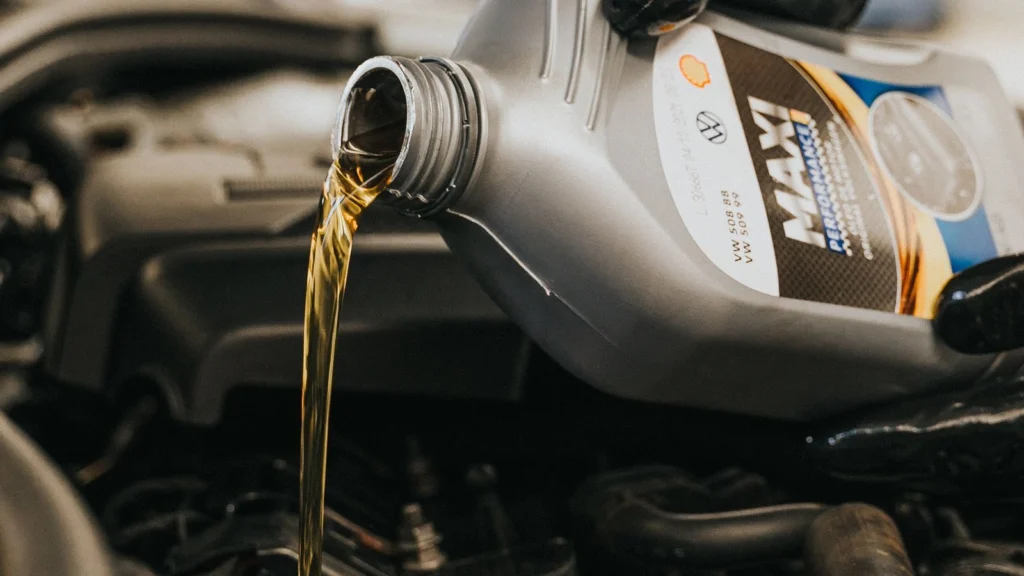
- Change the oil on schedule. The manual gives the hours for your model.
- Treat stored gasoline with a stabilizer such as STA-BIL Storage.
- Start it every month and let it run with a load.
- Keep the battery charged on electric-start models.
- Store it clean, dry and covered. See how to store a generator.
Print our generator maintenance checklist and keep it with the manual.
Common Mistakes When Choosing a Portable Generator (and the Fix)
Pro Tips Before You Buy
- Read the most recent owner reviews. They reveal quality changes that old reviews miss.
- Check that the model can be sold in your state. Some versions cannot ship to California.
- Download the manual first. It shows the real maintenance schedule and the full outlet panel.
- Budget for the extras. A cover, oil, a heavy cord, fuel cans and a transfer switch all add up.
- Think about storage. Measure the space before the box arrives.
- Do a full practice run. Connect everything on a calm weekend, not in the middle of a storm.
- Plan your fuel. Decide how many days you want to cover and store fuel safely for that long.
Our emergency power outage checklist helps you plan the rest.
Real-Life Scenarios: Which Generator Fits?
These are typical situations that buyers describe in forums and reviews. They are examples to help you choose, not quotes from real people.
🏕️ The quiet camper
You want lights, a coffee maker and phone charging without disturbing the next site.
You need a small inverter you can carry with one hand.
Best fit: Honda EU2200i
🚐 The RV traveler
You need the air conditioner on hot afternoons and you already carry propane.
You need a quiet mid-size inverter that runs on two fuels.
Best fit: Champion 4500-Watt Dual Fuel
🏠 The storm-ready homeowner
You want the refrigerator, well pump, furnace and lights on for days.
You need high running watts, a 50-amp outlet and a transfer switch.
Best fit: Westinghouse WGen9500DFc
Portable Generator Reviews: FAQ
What is the best portable generator for home backup?
It depends on your loads. For essentials, a 5,500 running watt model such as the Generac GP5500E EFI is often enough. For larger homes, the Westinghouse WGen9500DFc and DuroMax XP13000HX offer 9,500 and 10,500 running watts with a 50-amp outlet.
Which portable generator is the quietest?
Of the models in this guide, the Honda EU2200i has the lowest listed sound level at 48 to 57 dB(A). The Champion 2500-Watt Ultralight is listed at 53 dBA from 23 feet. Inverter generators are generally much quieter than open-frame models.
Is a dual fuel generator worth it?
For most homeowners, yes. Propane stores for years and is often available when gasoline is not. The trade-off is slightly lower output on propane, so size the generator using the propane figure if that is your main fuel.
How many watts do I need to run a house?
Many homes can run the essentials on 5,000 to 7,500 running watts. Homes with a well pump, central air conditioning or electric heat usually need 9,500 running watts or more. Add up your own appliances to be sure.
Are these reviews based on hands-on testing?
No. They are based on specs published by the manufacturers and on current Amazon listings, checked in October 2026. We recommend reading recent owner reviews for any model on your shortlist.
Do I need a transfer switch for a portable generator?
You need one if you want to power hard-wired circuits such as a furnace or well pump. A transfer switch or interlock, installed by a licensed electrician, is the safe and legal way to connect a generator to your home's panel.
Your Portable Generator Buying Checklist
- List the appliances you need and add up the running watts.
- Note the biggest motor and any 240-volt equipment.
- Choose the type: inverter for quiet, open frame for power.
- Choose the fuel: gasoline, dual fuel or tri fuel.
- Confirm the model has a carbon monoxide shutoff.
- Check the outlets match your RV or transfer switch.
- Check the weight and where you will store it.
- Confirm the warranty and that it can be sold in your state.
- Buy oil, stabilizer and heavy-duty cords, then do a practice run.
The bottom line
Start with your list, not with a brand. For camping, the Honda EU2200i is the quiet favorite. For a house, a large dual fuel model with a 50-amp outlet gives you the most options.
As an Amazon Associate we earn from qualifying purchases.
Sources: Honda Power Equipment’s official spec pages; Champion Power Equipment’s and Pulsar’s official websites; Amazon listings for the Honda EU2200i, Champion 2500-Watt Ultralight, Champion 4500-Watt Dual Fuel, Champion 12,500-Watt Tri Fuel, Generac GP5500E EFI, Westinghouse WGen9500DFc, DuroMax XP13000HX and Pulsar G12KBN; retailer spec sheets for the DuroMax XP13000HX. All checked October 2026.