A portable generator is a small engine that works hard in short bursts and then sits for months. That pattern is harder on it than daily use would be. The maintenance below is what most manufacturers call for, condensed into one schedule. Your own manual takes priority where it differs, and following it protects your warranty.
Quick answer
Check the oil and look the generator over before every use. Change the oil after the first 5 to 30 hours on a new engine, then every 50 to 100 hours or at least once a year. Clean or replace the air filter and check the spark plug every season. Run the generator under load for 20 to 30 minutes every month or two, keep the fuel fresh or stabilized, and keep the battery charged.
In this guide
The schedule
| When | What to do |
|---|---|
| Before each use | Check oil level and fuel, look for leaks, loose parts and damaged cords. Check the air filter is clean. |
| First 5 to 30 hours (new engine) | Change the oil and filter if fitted. The break-in oil carries metal particles from the new parts. |
| Every 50 to 100 hours or yearly | Change the oil. Inspect the spark plug and air filter. |
| Every 100 hours or yearly | Replace the air filter if paper, clean if foam. Clean the spark arrestor. Clean the fuel sediment cup if fitted. |
| Every 200 to 300 hours | Replace the spark plug. Have the valve clearance checked. Replace the fuel filter. |
| Every month or two | Run under load for 20 to 30 minutes. Charge the battery. |
| Before storage | Stabilize or drain the fuel, change the oil if due, clean and cover. |
Engine oil
Oil is the single most important item. Small air-cooled engines run hot, hold only a pint or two of oil, and have no oil filter on many models, so the oil degrades quickly.
- Run the engine for a few minutes so the oil drains freely, then shut it down and let it cool enough to touch.
- Place the generator on a level surface. Put a drain pan under the drain plug, or tilt the unit toward the filler on models without a plug.
- Remove the plug and let it drain completely.
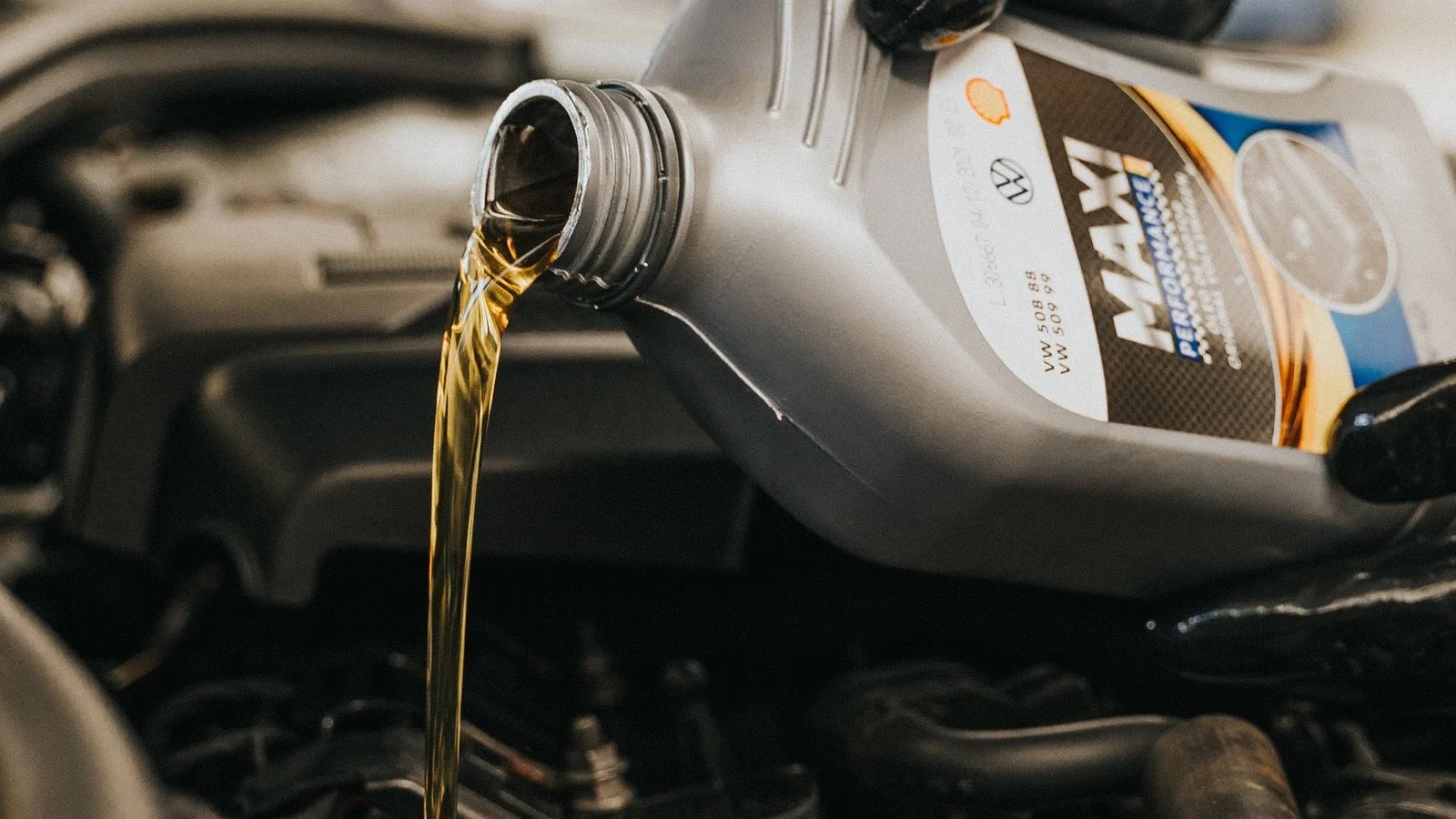
- Refit the plug and fill slowly with the grade the manual specifies. SAE 10W-30 is common, with 5W-30 synthetic for cold weather. Do not overfill; check with the dipstick unscrewed or screwed in as the manual says.
- Note the date and hour-meter reading.
Used oil must not go down a drain. Most auto parts stores and municipal sites accept it for recycling; the EPA explains how.
Air filter
A dirty filter makes the engine run rich, foul the plug and lose power. Check it before each use in dusty conditions. Foam elements are washed in warm soapy water, dried, and lightly oiled if the manual calls for it. Paper elements are tapped clean and replaced when dirty; never wash them or blow them out with high-pressure air, which tears the paper.
Spark plug
Remove the plug yearly. A light tan electrode is healthy. Black soot means a rich mixture or a dirty air filter; oily deposits point to oil getting past the rings or an overfilled crankcase; white, blistered insulators mean the engine is running hot or lean. Set the gap to the figure in the manual, often around 0.028 to 0.031 inches, and replace the plug every two or three seasons or 200 to 300 hours. A new plug costs little and prevents a lot of no-start calls.
Fuel system
- Use fresh gasoline, and add stabilizer if the generator will sit for more than a few weeks.
- Drain and clean the sediment cup or inline filter yearly.
- If the engine surges or only runs on choke, the carburetor jets are likely gummed. A carburetor cleaning, or on many models a new carburetor, usually cures it.
- Propane models: inspect the hose and regulator for cracks and check the connections for leaks with soapy water.
Read how long gasoline lasts and how to store a generator for the fuel side in detail.
Battery
Electric-start generators have a small battery that dies if it is left flat. Keep it on a maintenance charger between uses, or at least charge it monthly, and replace it when it no longer holds a charge. Keep the pull cord as a backup, and know how to use it.
Exercise runs
Running the generator for 20 to 30 minutes every month or two, with a real load such as a space heater or a few tools, keeps the fuel system wet with fresh fuel, charges the battery, dries out moisture in the alternator and tells you about problems before you need the machine. It is the habit that separates generators that start from generators that do not.
Keep on hand
- Two oil changes’ worth of the correct oil, and a funnel.
- A spare spark plug and the right socket.
- A spare air filter.
- Fuel stabilizer.
- A logbook or a note on your phone with dates and hours.
See generator maintenance kits on Amazon
Frequently asked questions
How often should I change the oil in a generator?
After the first 5 to 30 hours on a new engine, then every 50 to 100 hours of running or once a year, whichever comes first. During a long outage, that can mean an oil change every few days. Check the manual for your model's figure.
What oil should I use in a portable generator?
Most manuals specify a detergent oil meeting API service SJ or later, in SAE 10W-30 for general use and 5W-30 for cold weather, with synthetic oil acceptable and often preferred. Use the viscosity in your manual for your climate.
Do generators need to be serviced by a professional?
Routine work, such as oil, filters and plugs, is straightforward for most owners. Valve clearance adjustment, carburetor rebuilds and anything involving the alternator or electronics are usually jobs for a small-engine shop.