A generator that will not start almost always has one of a short list of problems, and most of them can be found with a screwdriver, a spark plug socket and ten minutes. Work through the steps in order. They are arranged from the most common and easiest to check to the least.
Quick answer
Check, in this order: fuel in the tank and the fuel valve open, oil at the full mark (a low-oil sensor stops the engine from starting), the engine switch on and choke set for a cold start, the spark plug dry and sparking, and the air filter clean. If the generator has sat with gasoline in it for months, the carburetor is the likely culprit, and cleaning or replacing it is the usual fix.
In this guide
Step 1: The basics
- Is there fuel? Gauges stick. Open the cap and look.
- Is the fuel valve open? Many generators have a petcock under the tank. It is easy to leave closed after storage.
- Is the fuel fresh? Gasoline more than a few months old, especially untreated, may not ignite properly. If it smells sour or looks dark, drain it.
- Is the engine switch on? Some models also have a separate kill switch or a key.
- Is the choke set? A cold engine needs full choke. A warm engine usually needs none. Starting a cold engine without choke, or a warm one with it, is the most common operator error.
- Is the fuel cap vent open? Some caps have a vent lever that must be turned to the open position.
- Is anything plugged in? Unplug all loads before starting.
Step 2: Oil level
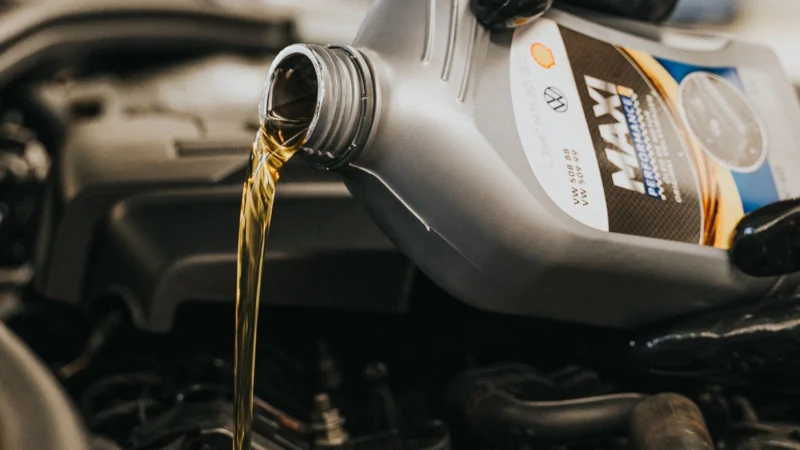
Nearly every portable generator has a low-oil sensor that prevents starting or kills the engine within seconds when the oil is low. Check the dipstick on level ground and fill to the mark with the correct oil. A generator parked on a slope can trip the sensor even with the oil at the right level, so move it to flat ground. If the oil is fine and the engine still dies after a few seconds, the sensor itself can fail; a small-engine shop can test it.
Step 3: Spark
- Pull the spark plug cap and remove the plug with a plug socket.
- Look at the electrode. Wet with fuel means the engine is flooded or has no spark. Black and sooty suggests a rich mixture or dirty air filter. Oily means oil is getting past the rings or the crankcase is overfilled.
- Refit the cap to the plug, hold the plug’s metal body firmly against bare metal on the engine with insulated pliers, and have someone pull the cord. You should see a blue spark. No spark means a bad plug, a faulty cap or lead, a failed ignition coil, or a safety switch stopping the ignition.
- If the plug is wet, dry it, set the choke off, hold the throttle open if you can, and pull several times to clear the cylinder. Wait ten minutes before trying again.
A new plug, gapped as the manual states, is cheap insurance. If a new plug makes no difference and there is still no spark, the ignition coil or the low-oil circuit is the next suspect.
Step 4: Air
Remove the air filter and inspect it. A clogged filter starves the engine. Try starting with the filter off for a moment; if it starts, replace the filter. Check the air box for mouse nests after storage.
Step 5: Fuel delivery and the carburetor
If there is fuel, spark and air but the engine will not fire, fuel is probably not reaching the cylinder.
- Check the fuel filter or sediment cup for debris and water.
- Pull the fuel line off the carburetor briefly (into a container) to confirm fuel flows from the tank.
- Open the carburetor bowl drain screw. If nothing comes out, the inlet needle or filter is blocked. If the fuel is cloudy or has water in it, drain the whole system.
- If fuel reaches the bowl but the engine only runs on choke or with starting fluid, the main jet is gummed with varnish from stale fuel. Remove the bowl and the jet and clean them with carburetor cleaner and a fine wire. On many small generators a complete replacement carburetor is inexpensive and faster than a rebuild.
Step 6: Electric start problems
- If the starter clicks or does nothing, the battery is flat or the terminals are corroded. Charge it, clean the connections, or pull-start the generator and let it charge.
- If the starter spins without turning the engine, the starter gear or clutch has failed.
- Check the fuse near the battery or on the control panel.
Step 7: Compression
If the pull cord feels unusually easy with no resistance, the engine may have lost compression: a stuck valve, a damaged head gasket or worn rings. A compression test with an inexpensive gauge confirms it. Low compression on a small engine is usually a shop job, and on an old generator it may be the point where replacement makes more sense than repair.
Starts, then stops
If the generator fires and dies, or runs for a while and quits, the causes are different: low oil, a blocked fuel cap vent, a CO shutoff triggering, a dirty carburetor or overheating. We cover them in why a generator keeps shutting off.
When to call a shop
No spark with a new plug, low compression, a starter that will not engage, or anything involving the alternator and electronics are reasonable places to stop. Give the shop the model number and tell them what you have already checked.
Preventing the next one
Almost every item on this list traces back to fuel that sat too long. Stabilize or drain fuel before storage, run the generator every month or two, and keep the oil changed. Our generator maintenance checklist and storage guide explain how.
See carburetor cleaner on Amazon
Frequently asked questions
Why does my generator crank but not start?
Cranking means the starter and battery are fine. The engine is missing one of fuel, spark or compression. Check the fuel valve and choke first, then the oil level, the spark plug and whether fuel is reaching the carburetor bowl.
Why won't my generator start after sitting for months?
Stale gasoline. The light components evaporate and the rest turns to varnish that blocks the carburetor jets. Drain the old fuel, clean or replace the carburetor, fit a fresh plug and use fresh fuel.
Can a low oil level stop a generator from starting?
Yes. The low-oil shutdown on most portable generators grounds the ignition when the level is low, so the engine will not fire or will die within seconds. Check the dipstick on level ground before anything else.