A dual-fuel generator has an engine that can burn either gasoline or propane, with a selector or a separate regulator for each. The idea is simple: gasoline gives the most power, while propane stores for years and is often easier to find after a storm. For emergency backup, that flexibility is worth more than it first appears.
Quick answer
Buy a dual-fuel generator if your generator will spend most of its life waiting for an outage. Propane does not go stale, so the generator is more likely to start after months in storage, and you can keep several cylinders without the fire risk of stored gasoline. Expect roughly 10 percent less output on propane and a slightly higher purchase price.
In this guide
How dual-fuel generators work
The engine itself is a normal small gasoline engine. For propane, a regulator reduces cylinder pressure and feeds vapor into the intake, usually through an adapter at the carburetor. A fuel selector switch, or simply which fuel is connected, decides which one the engine uses. Most models must be stopped before you change fuels, although a few are designed to switch while running. Check the manual before you rely on it.
Propane contains less energy per gallon than gasoline, and the engine draws in vapor rather than a fine liquid spray, so the same engine makes a little less power on propane. Manufacturers publish two sets of ratings for this reason.
| Factor | Gasoline | Propane |
|---|---|---|
| Output | Full rating | Typically about 10 percent less |
| Energy per gallon | More | Roughly a quarter less |
| Storage life | Months without stabilizer | Years, no additives needed |
| Availability in an outage | Stations need power to pump | Exchange cylinders at many stores |
| Engine cleanliness | Leaves deposits and varnish | Burns clean, no stale fuel in the carburetor |
| Cold weather | Starts reliably | Cylinders can lose pressure and frost up |
| Cost per hour | Varies with price | Usually a little higher |
How long does a propane cylinder last?
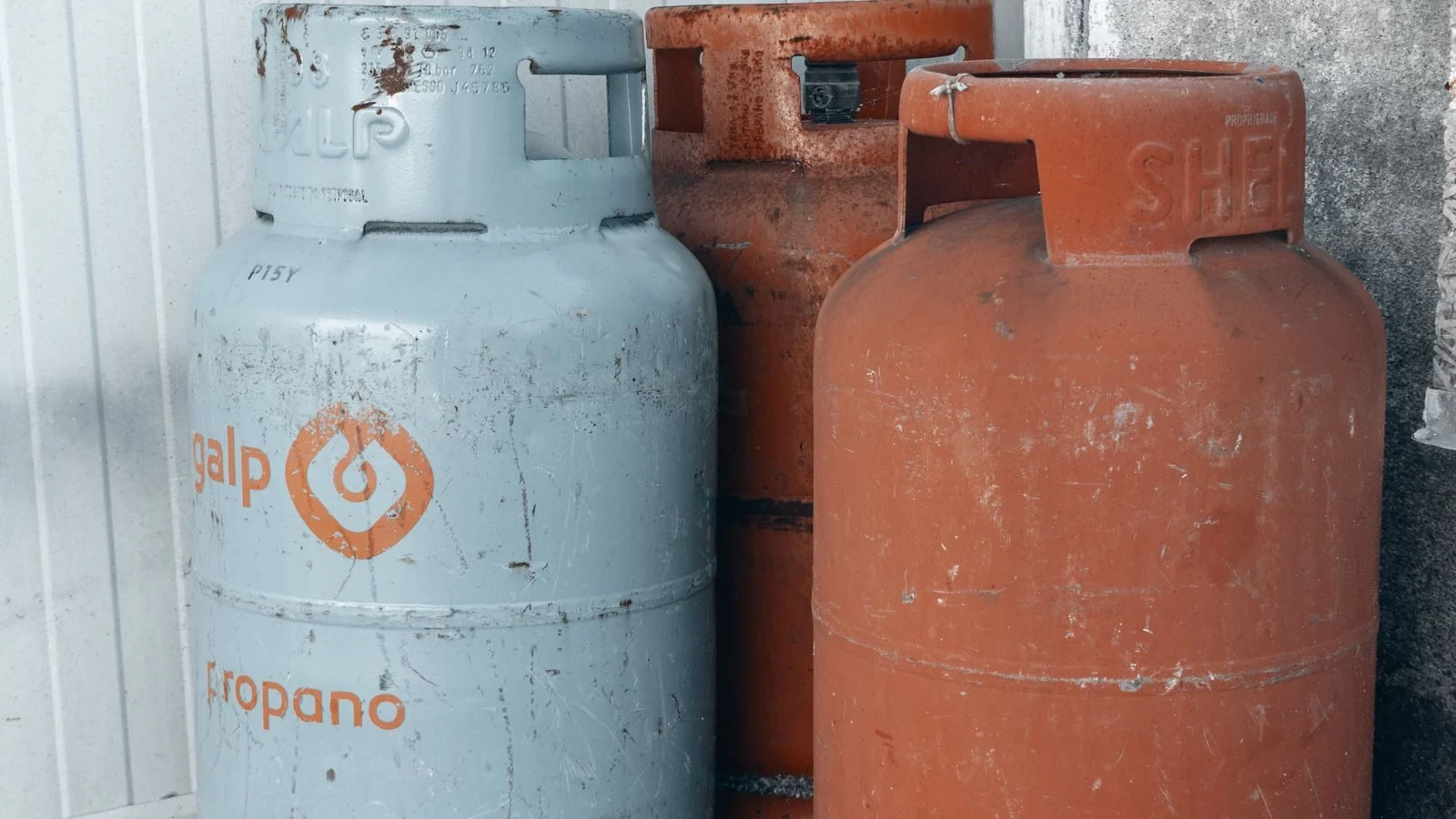
A standard 20-pound barbecue cylinder holds about 4.7 gallons of propane. How long that runs a generator depends entirely on the load. Published run times for mid-size generators are commonly 8 to 12 hours at half load on one cylinder, and much less at full load. The specification sheet for any model lists its run time on a 20-pound cylinder, and that number is the one to compare. For longer outages, a 40-pound or 100-pound cylinder, or a connection to a home propane tank by a qualified installer, avoids changing cylinders in the middle of the night.
Propane in cold weather
Propane must boil inside the cylinder to supply vapor to the engine. In cold weather, and as the cylinder empties, the liquid cools and pressure drops. A heavily loaded generator can draw vapor faster than a small cylinder can produce it, which shows up as frost on the outside of the cylinder and an engine that loses power. Using larger cylinders, keeping them fuller, or running two cylinders through a tee reduces the problem. Never heat a cylinder with a flame or an electric heater.
Tri-fuel generators
Tri-fuel models add natural gas. Output on natural gas is lower again, often 15 to 20 percent below gasoline, but the supply is unlimited as long as gas service continues. Connecting a generator to a home gas line needs a quick-connect fitting installed by a licensed plumber or gas fitter, and the line must be large enough to supply the generator at full load along with the furnace and water heater.
What to look for
- Both ratings printed clearly. Size the generator on its propane running watts if propane will be your main emergency fuel.
- A carbon monoxide shutoff certified to PGMA G300 or UL 2201.
- Electric start with a maintained battery. Dual-fuel units are often larger and harder to pull-start.
- A 240 V outlet if you plan to use a transfer switch or run a well pump.
- Published run times for both fuels at 25 and 50 percent load.
- Hose and regulator quality. Replacement parts should be available from the manufacturer.
See dual-fuel generators on Amazon
Should you choose dual-fuel?
Pros
- Propane stores indefinitely, so the generator is ready after months of sitting
- Two fuel options during a shortage
- Cleaner running on propane means fewer carburetor problems
- Available from small inverters to 12,000 W open-frame units
Cons
- Slightly lower output on propane
- Costs more than a gasoline-only equivalent
- Cylinders are bulky and can underperform in deep cold
- One more hose and regulator to look after
For a generator that is used often, a gasoline or inverter model may be the simpler buy. For the generator that sits in the garage waiting for the next storm, dual-fuel is one of the most sensible upgrades available, because it removes the single most common reason generators fail to start: stale gasoline.
Frequently asked questions
Can I convert my gasoline generator to propane?
Conversion kits exist for many common engines, but fitting one changes the fuel system and can affect the warranty and emissions certification. If you want propane, buying a generator built for it is the safer route.
Is propane cheaper than gasoline to run a generator?
Usually not. Propane contains less energy per gallon, so you burn more of it for the same power. Its advantages are storage and availability, not cost.
Should I store a dual-fuel generator with gasoline in it?
No. For storage, run it on propane, or drain the gasoline and run the carburetor dry. Stale gasoline is the most common cause of a generator that will not start.