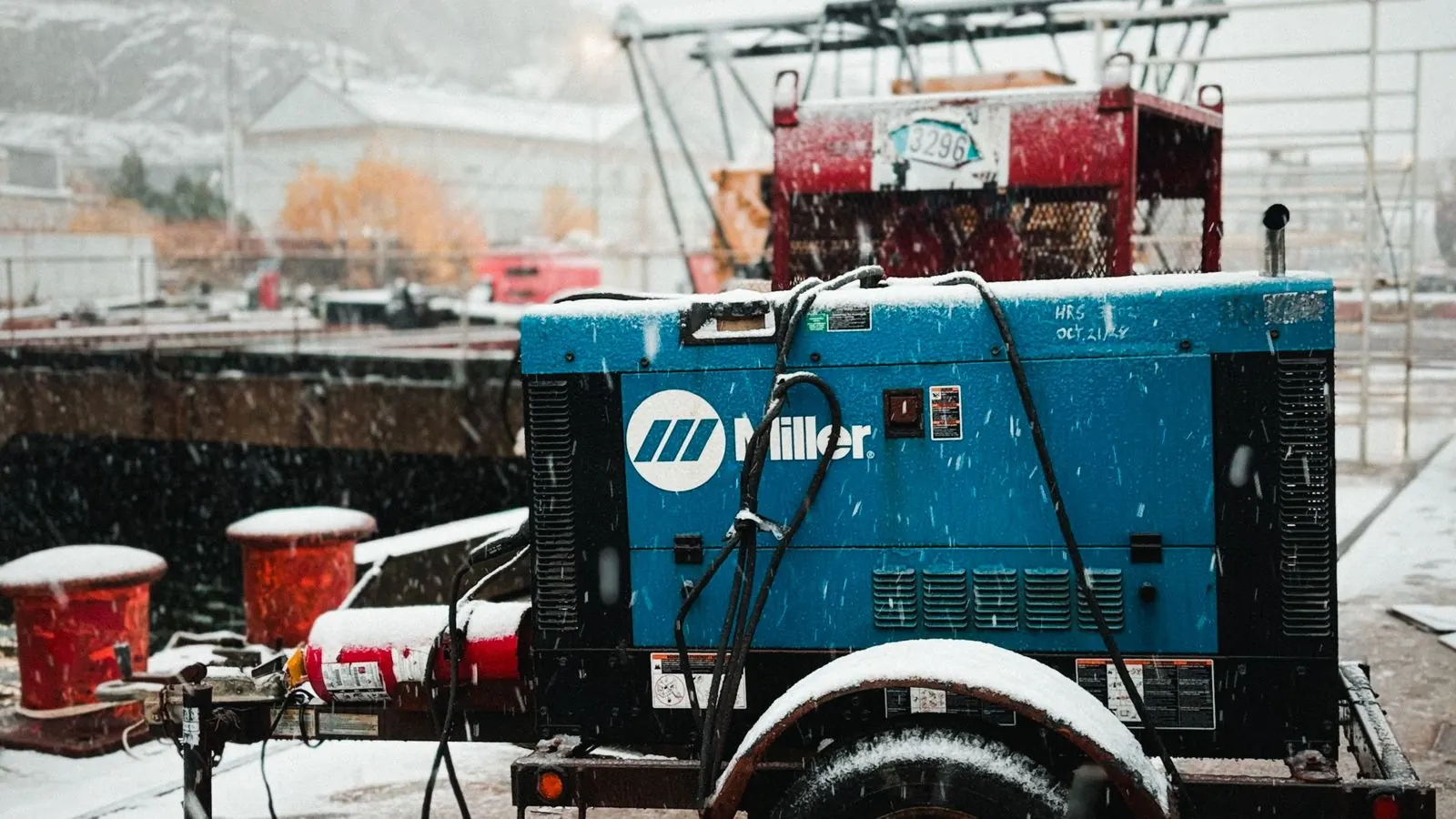

Best Portable Generators: How to Pick the Right Type and Size
The best portable generator depends on what you need to run. Compare the main types, the features that matter and the right size for home backup, camping and job sites.
Read GuideLearn how to choose, size, run, maintain and troubleshoot portable, inverter, standby and diesel generators.

A generator is the one piece of equipment most households buy before they understand it, usually the day after a storm. These guides are written to be read before that day. Start with how to size a generator, then choose between portable, inverter and standby types, and learn the one connection rule that keeps you and your neighbors safe. The maintenance and troubleshooting guides cover the reasons generators fail to start and how to prevent them.
Every guide here is based on manufacturer documentation and published safety guidance, and our free generator size calculator turns a list of appliances into a size in a minute.
The best portable generator depends on what you need to run. Compare the main types, the features that matter and the right size for home backup, camping and job sites.
Read GuidePortable, inverter or standby? A step-by-step way to choose a home generator: what to power, how to connect it, which fuel to use and…
How standby generators work, how to size one for your home, natural gas versus propane, what installation involves and the upkeep to expect.
Dual-fuel generators run on gasoline or propane. Here is what changes when you switch fuels, how long a propane cylinder lasts, and who benefits…
Size a generator in four steps: list what runs at once, add the running watts, allow for the largest motor starting, then add headroom.…
A plain-language tour of what happens inside a portable generator, from the engine to the outlets, and why inverter models produce cleaner power.
Typical fuel consumption for portable generators from 2,000 to 12,000 watts, how to work it out from a spec sheet, and practical ways to…
The three safe ways to power a house from a portable generator: extension cords, a manual transfer switch, or an interlock kit with an…
The handful of rules that prevent nearly every generator death and injury: where to run it, how to handle fuel and cords, and what…
Stale fuel is the main reason stored generators refuse to start. Here is how to put a generator away for a month or a…
A practical checklist for before, during and after a power outage: generator readiness, fuel, food safety, heat, communication and the mistakes that cause injuries.
Inverter generators are quieter, lighter and cleaner. Conventional generators give more watts for the money. Here is how they differ and which fits each…
Standby generators start themselves and run the whole house; portables cost a fraction as much but need you to set them up. A clear…
Diesel generators run longer on less fuel and are built for heavy duty; gasoline generators are cheaper, lighter and easier to find. Which suits…
A printable maintenance schedule for portable generators: before each use, after break-in, every 50 to 100 hours and once a year, with step-by-step oil…
From the obvious to the awkward: a step-by-step diagnosis for a generator that cranks but will not fire, in the order that finds the…
A generator that starts and then stops is telling you something. Here are the ten usual reasons, how to tell them apart, and what…